Historical and Devotional Places in Dumra
Dumra Gram Panchayat is a place of considerable religious and social importance. The cultural significance of the Panchayat can be understood through its deep-rooted village traditions, folk beliefs, and religious practices that have evolved over generations.
Earlier, village worship was centered around traditional community spaces such as Gramthan and village shrines, where people gathered for collective prayers and rituals. Over time, with social change and modernization, these places have gradually been transformed into established places of worship such as Hari Mandir, Shiv Mandir, Kali Mandir, and other local temples. These religious institutions now play a central role in the spiritual and social life of the Panchayat.
Art and Culture
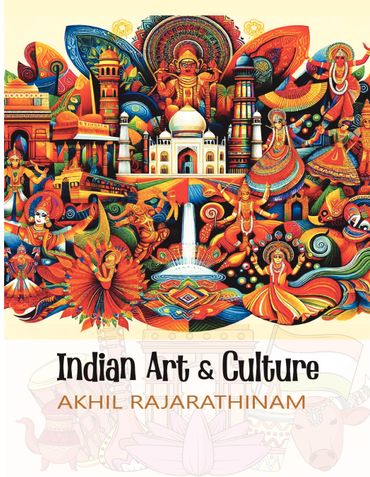
Dumra Panchayat is woven with rich cultural and traditional values. Despite modernization, the roots of social and cultural life remain deeply embedded in the Panchayat. People belonging to different castes, communities, and belief systems live together in peaceful coexistence and social harmony.
The Panchayat celebrates various traditional and religious festivals such as Chhath Puja, Holi, Diwali, Ram Navami, Durga Puja, Makar Sankranti, Eid, and other local observances. These festivals strengthen social bonding and preserve the Panchayat’s cultural continuity.
Religion
Dumra Panchayat is home to people following Hinduism and Islam, and religious tolerance is a defining feature of the area. Numerous temples, mosques, and village shrines are spread across the Panchayat. Religious festivals and rituals are often attended collectively by villagers, reinforcing communal harmony and mutual respect.
Religion in Dumra is not only a matter of faith but also an integral part of daily life, influencing customs, moral values, and social relationships.
Culture
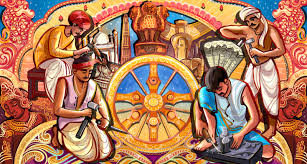
The Panchayat has several community worship spaces that serve both religious and social purposes. Temples such as Hari Mandir and Shiv Mandir are especially significant and attract devotees during major religious occasions like Shivratri, Ram Navami, and Chhath Puja. These places also act as centers for community gatherings and cultural events.
Languages
The commonly spoken languages in Dumra Panchayat are Hindi, Magahi, and Bhojpuri. Hindi is used for all official communication, government programs, and education, while local dialects are widely spoken in daily interactions.
In educational institutions, English is used as a formal medium of instruction. The multilingual environment ensures easy communication and does not create any linguistic barriers among residents.
Folk Songs and Folk Arts
The cultural fabric of Dumra Panchayat has been shaped by generations of rural communities. Folk songs and oral traditions play an important role in social life. Songs are sung during festivals, weddings, agricultural seasons, and religious rituals.
Traditional wall paintings and floor designs, such as Alpana and Chowk Purna, are commonly created during festivals like Chhath Puja and weddings. These artworks reflect themes of nature, fertility, prosperity, and spirituality.
Folk Dances
Folk dances form an integral part of Dumra’s cultural life. Group dances are performed during festivals, marriages, and community celebrations. These dances are usually accompanied by traditional musical instruments such as dholak, nagara, and manjira.
Though modern music and entertainment have made inroads, traditional folk dances remain relevant and are performed during auspicious occasions, preserving the Panchayat’s cultural heritage.
Costume
Traditional attire is still widely practiced in Dumra Panchayat.
Women generally wear sarees and salwar-kameez, with sarees being preferred during festivals and religious ceremonies. Bindi, bangles, and traditional jewelry are commonly worn.
Men usually wear dhoti-kurta, pajama-kurta, or simple cotton trousers and shirts.
With increasing exposure to urban culture, the younger generation is gradually adopting modern clothing, while traditional attire continues to dominate during rituals and ceremonies.
Festivals
Dumra Panchayat celebrates festivals with great devotion and enthusiasm. Chhath Puja holds special importance and is celebrated collectively near water bodies. Other major festivals include Holi, Diwali, Durga Puja, Ram Navami, Makar Sankranti, Eid, and local fairs.
Festivals are marked by ritual worship, folk songs, community feasts, and decorative rangoli, reflecting harmony between culture, nature, and spirituality.
Cuisine
Rice is the staple food of the Panchayat. The cuisine is simple, nutritious, and largely dependent on locally available ingredients. Commonly consumed foods include:
Rice, dal, seasonal vegetables, and green leafy saag
Traditional dishes like pitha, litti-chokha, dhuska, and festive sweets
Use of locally grown vegetables and edible flowers
Mushrooms, especially during the monsoon season, are a popular delicacy
Food habits reflect a close relationship with agriculture and nature.
Art and Painting
Dumra Panchayat is known for its traditional rural art forms, especially wall paintings and floor designs created during festivals and ceremonies. These paintings often depict flowers, birds, geometric patterns, and religious symbols, and are considered auspicious.
Such artistic expressions highlight the Panchayat’s preserved cultural identity and showcase its rich artistic heritage passed down through generations.