Brief History of Dumra

Historical & Regional Background of Dumra Gram Panchayat
Dumra Gram Panchayat is a rural administrative unit of Haspura Block in Aurangabad District, Bihar. The Panchayat lies in the southern part of Bihar, within the broader Magadh region, which is one of the most historically significant areas of the Indian subcontinent.
The region surrounding Dumra Panchayat has been inhabited since ancient times. Historically, this area formed part of the ancient Magadha Kingdom, which played a central role in the political, cultural, and religious development of India. Magadha was ruled by powerful dynasties such as the Haryanka, Shishunaga, Nanda, and Maurya dynasties. Emperors like Bimbisara, Ajatashatru, Chandragupta Maurya, and Ashoka ruled over regions that included present-day Aurangabad district.
Prior to India’s independence, the area of present Aurangabad district was part of the Gaya district under British administration. In 1972, Aurangabad was carved out as a separate district to improve administrative efficiency. Since then, Dumra Panchayat has functioned as part of the district’s rural governance framework.
The land of Dumra Panchayat is primarily fertile alluvial and agricultural land, supporting farming-based livelihoods. Unlike mining regions, the Panchayat has no coal or mineral extraction activities. Agriculture remains the backbone of the local economy, with crops such as paddy, wheat, pulses, and seasonal vegetables being cultivated.
The population of Dumra Panchayat consists of people from various social and caste communities who have lived in the region for generations. The society reflects the traditional rural culture of Magadh, marked by mutual cooperation, agrarian customs, and community festivals.
Dumra during Mughal Period
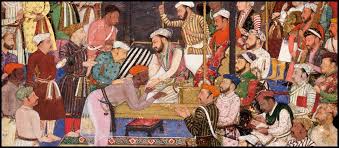
Magadh region, which came under the control of the Mughal Empire in the 16th century.After Emperor Akbar consolidated Mughal power in eastern India (around 1556–1605 AD), the Magadh region was formally integrated into the Mughal administrative system. The area of present Aurangabad district was placed under the Subah of Bihar, with Patna serving as the provincial capital.
Dumra under British Rule

During the British colonial period, the area comprising present-day Dumra Gram Panchayat (Haspura Block, Aurangabad District, Bihar) formed part of the Magadh region under the Bengal Presidency and later under the Province of Bihar and Orissa.
Modern Day of Dumra Panchayat
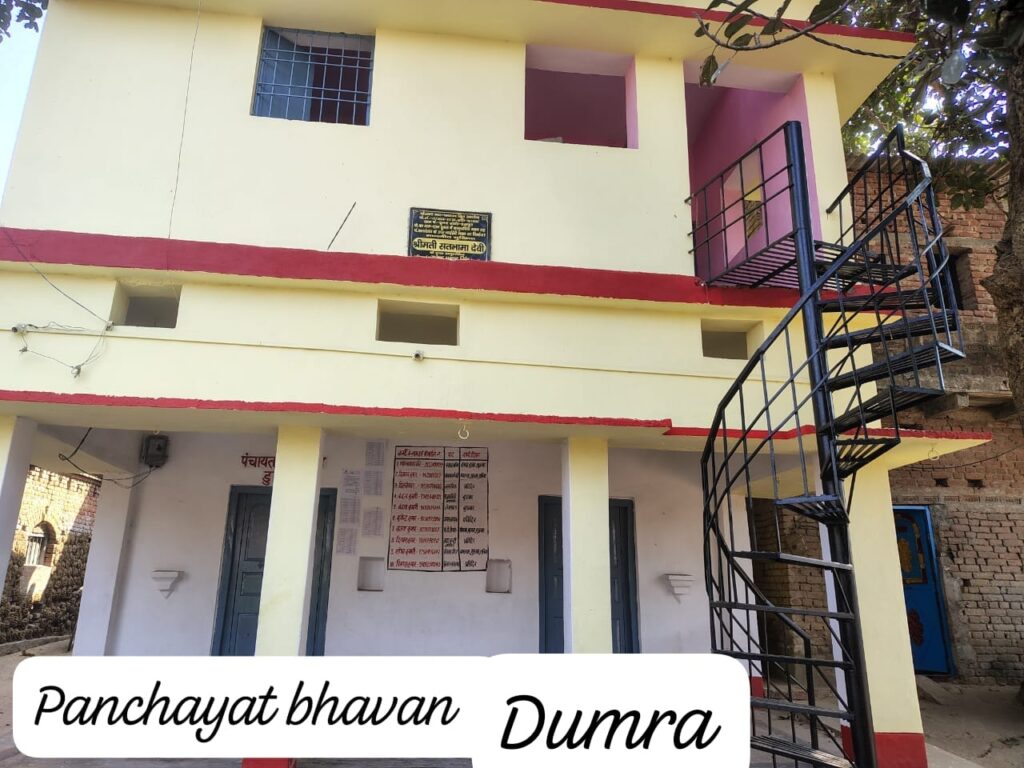
In the modern era, Dumra Gram Panchayat has emerged as an active rural administrative unit under Haspura Block in Aurangabad District, Bihar. Operating within India’s Panchayati Raj system, the Panchayat plays a crucial role in grassroots democracy, local governance, and rural development.